
Silence the Noise: Effective Mindfulness Techniques for Calming a Busy Mind
In our fast-paced world, many individuals find themselves overwhelmed by constant distractions and mental clutter. Mindfulness techniques offer a powerful solution to help calm a busy mind and enhance mental clarity. This article will explore various mindfulness practices, their benefits, and how they can be integrated into daily life. By understanding and applying these techniques, you can effectively manage stress and improve your overall well-being. We will delve into the key benefits of mindfulness, effective exercises, and how these practices are incorporated into evidence-based mental health treatment programs, particularly at Revival Mental Health.
What Are the Key Benefits of Mindfulness Practice for Mental Clarity and Stress Relief?
Mindfulness practice is a mental training technique that involves focusing on the present moment while calmly acknowledging and accepting one’s feelings, thoughts, and bodily sensations. This practice has been shown to improve mental clarity and reduce stress levels. By fostering a greater awareness of thoughts and emotions, mindfulness helps individuals manage anxiety and enhances overall well-being.
Research indicates that mindfulness can lead to improved focus and cognitive flexibility, allowing individuals to navigate daily challenges more effectively. Additionally, it promotes emotional regulation, which is crucial for maintaining mental health. For those seeking professional support, contacting Revival Mental Health can provide access to specialized mindfulness-based treatment programs tailored to individual needs.
How Does Mindfulness Reduce Anxiety and Improve Focus?
Mindfulness reduces anxiety by encouraging individuals to observe their thoughts without judgment, which helps to break the cycle of negative thinking. This practice allows for a greater understanding of anxiety triggers and promotes a sense of control over one’s mental state. Furthermore, mindfulness enhances focus by training the brain to concentrate on the present moment, thereby reducing distractions and improving attention span.
Studies have shown that regular mindfulness practice can lead to functional and structural changes in the brain, particularly in areas associated with attention and emotional regulation. These changes contribute to a more resilient mindset, enabling individuals to handle stressors with greater ease.
Further research delves into the neurological underpinnings of these benefits, revealing how mindfulness physically alters the brain to enhance emotional regulation.
What Recent Clinical Evidence Supports Mindfulness for Mental Health?
Recent clinical studies have provided strong evidence supporting the efficacy of mindfulness in mental health treatment. Research has demonstrated that mindfulness-based interventions can reduce symptoms of anxiety and depression. For instance, a meta-analysis of multiple studies found that mindfulness practices lead to small to moderate reductions in anxiety levels and improvements in overall psychological well-being.
Moreover, mindfulness has been integrated into various therapeutic approaches, such as Cognitive Behavioral Therapy (CBT), enhancing treatment outcomes for individuals with anxiety disorders. These findings underscore the importance of mindfulness as a valuable tool in mental health care.
Which Mindfulness Exercises Are Best for Stress Relief and Calming a Busy Mind?
Several mindfulness exercises can effectively promote stress relief and help calm a busy mind. These practices range from simple breathing techniques to more structured meditation sessions. Incorporating these exercises into your daily routine can lead to significant improvements in mental clarity and emotional stability.
- Breathing Exercises: Focusing on the breath is a fundamental mindfulness practice that can quickly reduce stress. By taking slow, deep breaths, individuals can activate the body’s relaxation response, lowering heart rate and promoting a sense of calm.
- Body Scan Techniques: This practice involves mentally scanning the body for areas of tension and consciously relaxing those areas. It enhances body awareness and helps individuals connect with their physical sensations, fostering a deeper sense of relaxation.
- Guided Meditations: Utilizing guided meditations can provide structure for those new to mindfulness. These sessions often focus on specific themes, such as stress reduction or self-compassion, and can be found in various formats, including apps and online resources.
How to Practice Breathing and Body Scan Techniques Effectively?

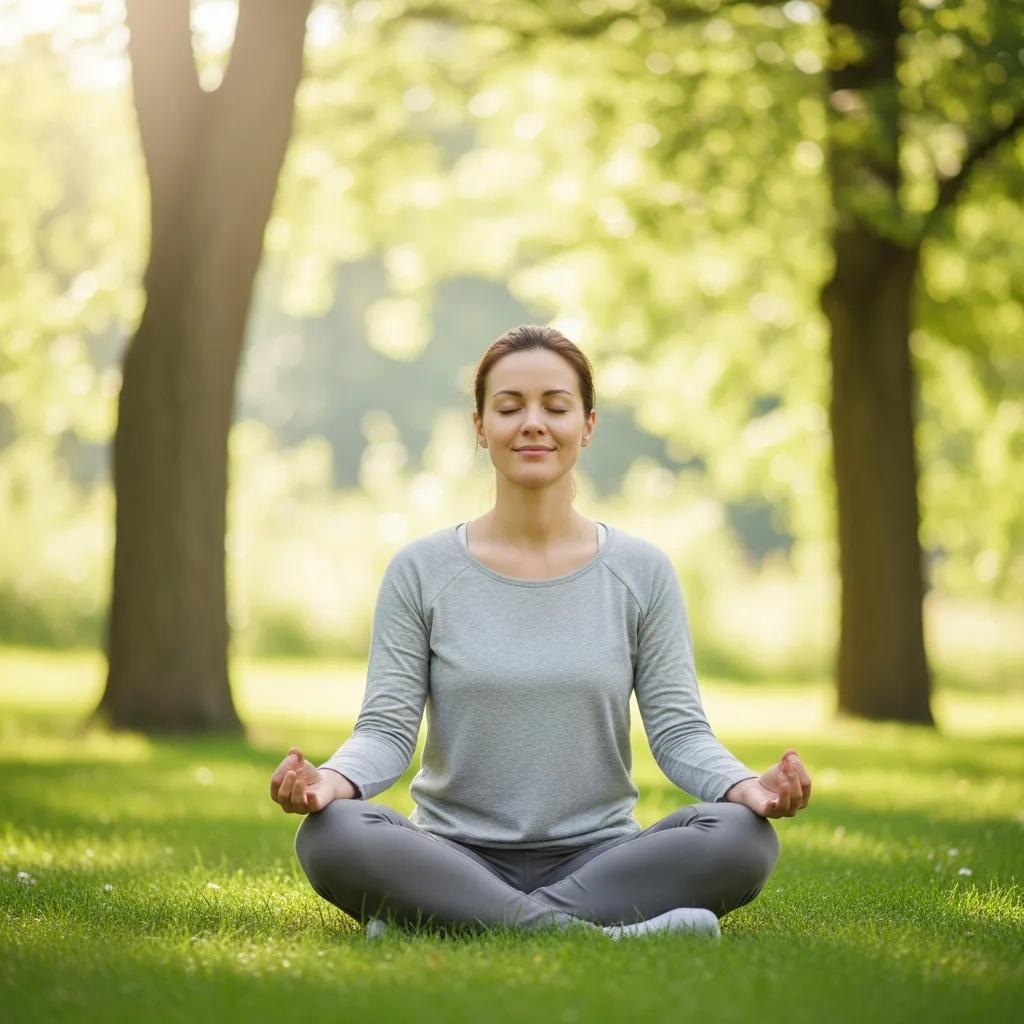
To practice breathing exercises effectively, find a quiet space where you can sit or lie down comfortably. Close your eyes and take a deep breath in through your nose, allowing your abdomen to expand. Hold the breath for a moment, then exhale slowly through your mouth. Repeat this process for several minutes, focusing solely on your breath.
For body scan techniques, lie down in a comfortable position and close your eyes. Begin by bringing your attention to your toes, noticing any sensations or tension. Gradually move your focus up through your body, pausing at each area to relax and release tension. This practice can take anywhere from 10 to 30 minutes, depending on your preference.
The effectiveness of these brief mindfulness techniques, including body scans, in reducing anxiety and stress has been further substantiated by clinical studies.
What Guided Meditation Methods Help Manage Anxiety?

Guided meditation methods can be particularly effective for managing anxiety. These sessions often include visualization techniques, where individuals are led to imagine peaceful scenes or scenarios that promote relaxation. Popular methods include:
- Mindfulness-Based Stress Reduction (MBSR): This program combines mindfulness meditation and gentle yoga to help individuals manage stress and anxiety.
- Loving-Kindness Meditation: This practice focuses on developing compassion for oneself and others, which can alleviate feelings of anxiety and promote emotional well-being.
- Progressive Muscle Relaxation: This technique involves tensing and relaxing different muscle groups, helping to release physical tension associated with anxiety.
Indeed, clinical studies have specifically investigated the effectiveness of such practices in alleviating anxiety.
How Is Mindfulness Integrated into Evidence-Based Mental Health Treatment Programs?
Mindfulness is increasingly recognized as a valuable component of evidence-based mental health treatment programs. Its integration into therapeutic practices enhances the effectiveness of traditional approaches, providing individuals with tools to manage their mental health proactively.
What Role Does Mindfulness Play in Anxiety and Stress Management?
In anxiety and stress management, mindfulness serves as a powerful tool for individuals to develop greater self-awareness and emotional regulation. By practicing mindfulness, individuals learn to observe their thoughts and feelings without becoming overwhelmed by them. This skill is crucial for managing anxiety, as it allows individuals to respond to stressors with a calm and measured approach.
Mindfulness techniques can be incorporated into various therapeutic modalities, including CBT and Dialectical Behavior Therapy (DBT), enhancing treatment outcomes for individuals struggling with anxiety and stress-related disorders.
How Does Revival Mental Health Personalize Mindfulness-Based Care?
Revival Mental Health specializes in providing personalized mindfulness-based care tailored to individual needs. Their treatment programs incorporate evidence-based mindfulness practices, ensuring that clients receive the most effective support for their mental health challenges. By focusing on the unique experiences and goals of each client, Revival Mental Health fosters a supportive environment for healing and growth.
Where Can You Find Local Mindfulness Resources and Support in Orange County?
For those seeking mindfulness resources and support in Orange County, several options are available. Local workshops and programs can provide valuable guidance and community support for individuals looking to enhance their mindfulness practice.
- Mindfulness Workshops: Various organizations offer workshops that teach mindfulness techniques, including meditation and stress reduction strategies. These workshops often cater to different skill levels, making them accessible to beginners and experienced practitioners alike.
- Mindfulness Programs: Many community centers and wellness organizations provide structured mindfulness programs that span several weeks. These programs typically include a combination of instruction, practice, and group discussions to foster a supportive learning environment.
- Accessing Revival Mental Health’s Mindfulness Treatment Services: Revival Mental Health offers specialized mindfulness treatment services designed to help individuals manage anxiety and stress effectively. Interested individuals can contact the center to learn more about available programs and how to get started.
What Mindfulness Workshops and Programs Are Available Locally?
In Orange County, several mindfulness workshops and programs are available to support individuals in their mindfulness journey. These include:
- Mindfulness-Based Stress Reduction (MBSR) Programs: These comprehensive programs typically last eight weeks and include weekly classes, guided meditations, and home practice assignments.
- Community Meditation Groups: Many local centers host regular meditation sessions, providing a space for individuals to practice mindfulness together and share experiences.
- Retreats and Intensive Workshops: For those seeking a deeper immersion in mindfulness, various retreats and intensive workshops are offered throughout the year, allowing participants to focus solely on their practice.
How to Access Revival Mental Health’s Mindfulness Treatment Services?
To access mindfulness treatment services at Revival Mental Health, individuals can reach out directly to the center for more information. The process typically involves an initial assessment to determine individual needs and goals. From there, clients can engage in personalized mindfulness-based programs designed to support their mental health journey.
What Are Common Questions About Mindfulness Practice for a Busy Mind?
As mindfulness gains popularity, many individuals have questions about its practice and benefits. Understanding these common inquiries can help demystify mindfulness and encourage more people to incorporate it into their lives.
How Long Should You Practice Mindfulness Daily for Best Results?
For optimal results, it is recommended to practice mindfulness for at least 10 to 20 minutes daily. Consistency is key, as regular practice helps reinforce the benefits of mindfulness over time. Many individuals find that even short sessions can lead to significant improvements in mental clarity and stress management.
What Is the Difference Between Meditation and Mindfulness?
While often used interchangeably, meditation and mindfulness are distinct concepts. Meditation typically refers to a formal practice that involves focusing the mind and eliminating distractions, while mindfulness is a broader concept that can be practiced throughout daily life. Mindfulness encourages individuals to remain present and aware of their thoughts and feelings, regardless of the situation.