
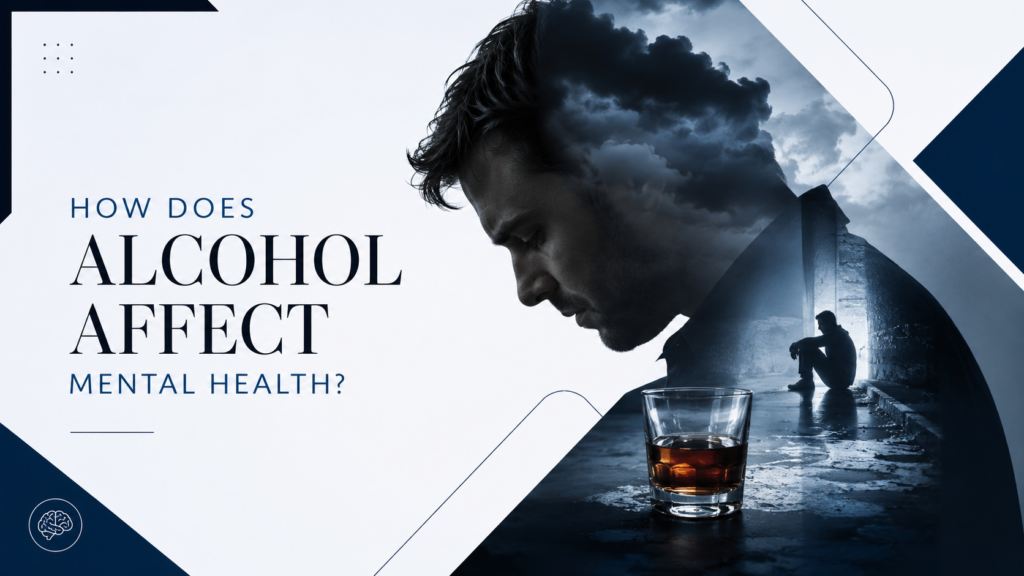
Many people wonder, how does alcohol affect mental health? While some people may drink to relax or cope with stress, alcohol can have a serious impact on the brain and emotions. Over time, drinking alcohol can increase the risk of depression, anxiety, and other mental health issues.
If you are struggling with your emotional wellbeing, getting help through professional mental health services can make a difference. At Revival Mental Health, we understand the connection between alcohol and mental health and how both can affect daily life.
Alcohol may provide temporary relief from stress or sadness, but the long-term effects can be harmful. Understanding how alcohol affect mental health can help people make healthier choices and improve their overall wellbeing.
Understanding Alcohol and Mental Health
The relationship between alcohol and mental health is complex. Alcohol changes the way the brain works. It affects chemicals called neurotransmitters that help control mood, thinking, and behavior.
When a person begins drinking alcohol, they may feel relaxed at first. However, alcohol is a depressant that slows down the central nervous system. This can lead to changes in emotions, judgment, and behavior.
Over time, frequent alcohol consumption can contribute to serious mental health conditions and emotional struggles.
How Alcohol Affects the Brain
The connection between brain alcohol exposure and mental wellbeing is significant. Alcohol interferes with communication between brain cells and can impact memory, concentration, and emotional regulation.
When alcohol consumed enters the body, it affects areas of the brain responsible for:
- Mood
- Decision-making
- Memory
- Sleep
- Stress response
Because alcohol interferes with these important functions, it can increase the risk of mental health disorders.
How Does Alcohol Affect Mental Health?
So, exactly how does alcohol affect mental health?
Alcohol can:
- Increase anxiety
- Trigger depression
- Cause mood swings
- Worsen stress
- Increase impulsive behavior
- Raise the risk of self-harm
Research shows that alcohol affects the brain in ways that may worsen existing mental health problems. People who already have depression, anxiety, or trauma may experience more severe symptoms after drinking.
Alcohol and Depression
One of the strongest links is between depression alcohol use and emotional wellbeing.
People often drink to escape sadness. However, alcohol can make depression symptoms worse over time.
Common signs include:
- Feeling hopeless
- Loss of motivation
- Low energy
- Trouble sleeping
- Social withdrawal
Regular alcohol use can make it harder to treat depression because alcohol changes brain chemistry and reduces the effectiveness of therapy and medication.
Alcohol and Anxiety Disorders
Many people with anxiety disorders use alcohol to calm their nerves. While drinking may create short-term relaxation, it often increases anxiety later.
Alcohol can contribute to:
- Panic attacks
- Increased worry
- Restlessness
- Irritability
People with panic disorder may notice symptoms becoming stronger after drinking.
As alcohol leaves the body, withdrawal symptoms can create feelings of nervousness and fear, making anxiety even worse.
Alcohol Use Disorder and Mental Health
Alcohol use disorder is a medical condition that involves difficulty controlling alcohol use despite negative consequences.
People with alcohol dependence often experience both physical and emotional challenges.
Signs of Alcohol Use Disorder
Common signs include:
- Cravings for alcohol
- Inability to cut back
- Drinking larger amounts than planned
- Continuing to drink despite problems
- Spending significant time drinking
Many people with alcohol addiction also struggle with depression, anxiety, or other mental health disorders.
Heavy Drinking and Mental Health Challenges
Heavy drinking and excessive drinking can create serious emotional and physical problems.
When someone regularly drinks large amounts of alcohol, the risk of developing mental health challenges increases.
Binge Drinking Risks
Binge drinking refers to consuming a large amount of alcohol in a short period.
This behavior can:
- Increase aggression
- Cause poor decision-making
- Increase risky behaviors
- Lead to emotional instability
Repeated episodes of excessive alcohol consumption may increase the likelihood of suicide attempts and severe depression.
Alcohol Abuse and Mental Illness
There is a strong relationship between alcohol abuse and mental illness.
People with conditions such as:
- Depression
- Anxiety
- PTSD
- Bipolar disorder
- Psychotic disorders
may use alcohol as a coping mechanism.
Unfortunately, alcohol often makes symptoms worse.
When Alcohol Makes Symptoms Worse
Alcohol can:
- Increase sadness
- Trigger anxiety
- Cause irritability
- Reduce emotional control
Over time, alcohol may negatively affect treatment progress and make it harder to manage symptoms.
It can also worsen symptoms of existing psychiatric conditions and make depression worse.
The Physical Health Effects of Alcohol
Alcohol does not only impact emotional wellbeing. It can also affect physical health.
High Blood Pressure and Heart Disease
Regular drinking may increase the risk of:
- High blood pressure
- Stroke
- Heart disease
Studies show that chronic alcohol use can strain the cardiovascular system and create long-term health complications.
Liver Disease and Liver Cancer
The liver processes alcohol, but excessive drinking can damage this vital organ.
Possible complications include:
- Fatty liver disease
- Hepatitis
- Cirrhosis
- Liver disease
- Liver cancer
Blood Sugar Problems
Alcohol can affect blood sugar levels and interfere with the body’s ability to regulate glucose properly.
This can be especially dangerous for people with diabetes or other health conditions.
Alcohol Poisoning Can Be Life-Threatening
Alcohol poisoning occurs when a person drinks too much alcohol in a short amount of time.
Symptoms may include:
- Confusion
- Vomiting
- Slow breathing
- Loss of consciousness
- Seizures
Alcohol poisoning is a medical emergency and requires immediate attention.
Alcohol Withdrawal and Mental Health Symptoms
When someone who has been drinking heavily suddenly stops, they may experience alcohol withdrawal.
Alcohol Withdrawal Syndrome
Alcohol withdrawal syndrome can cause both physical and emotional symptoms.
Common symptoms include:
- Anxiety
- Tremors
- Sweating
- Insomnia
- Mood swings
- Increased heart rate
Severe cases may require medical treatment to safely manage symptoms.
Withdrawal Symptoms and Mental Wellbeing
Many people experience worsening mental health symptoms during withdrawal.
These symptoms may include:
- Depression
- Anxiety
- Irritability
- Difficulty concentrating
Professional support is often necessary during recovery.
Chronic Alcohol Use and Long-Term Brain Changes
Chronic alcohol use can create lasting changes in brain function.
Long-term exposure to alcohol may reduce memory, learning ability, and emotional regulation.
Alcohol Related Dementia
One serious condition linked to long term alcohol misuse is alcohol related dementia.
This condition can affect:
- Memory
- Problem-solving skills
- Communication
- Daily functioning
The risk increases among people who regularly drink heavily for many years.
Drinking Habits and Overall Mental Wellbeing
Healthy drinking habits can influence both emotional and physical health.
When alcohol intake becomes excessive, it may negatively impact:
- Relationships
- Work performance
- School performance
- Sleep quality
- Emotional stability
Because drinking affects so many areas of life, reducing alcohol consumption can often improve overall wellbeing.
Prenatal Alcohol Exposure and Mental Health
Prenatal alcohol exposure occurs when alcohol is consumed during pregnancy.
Exposure can affect a child’s brain development and increase the risk of:
- Learning difficulties
- Behavioral challenges
- Mental health concerns
Healthcare providers recommend avoiding alcohol during pregnancy because even small amounts of pure alcohol can affect developing babies.
Alcohol Leads to Higher Risk of Other Problems
Research shows that alcohol leads to a higher risk of many serious issues, including:
- Accidents
- Relationship conflict
- Job loss
- Health complications
- Other addictions
People struggling with alcohol may also develop other substance use disorders and ongoing substance abuse problems.
How to Stop Drinking and Improve Mental Health
If alcohol is affecting your emotional wellbeing, recovery is possible.
Professional Treatment Options
Effective treatment may include:
- Therapy
- Psychiatric care
- Support groups
- Medication management
Cognitive Behavioural Therapy
Cognitive behavioural therapy helps people identify unhealthy thought patterns and develop healthier coping skills.
CBT is commonly used to address:
- Anxiety
- Depression
- Alcohol misuse
- Stress management
Support Groups
Many people benefit from support groups where they can connect with others facing similar challenges.
Support and accountability can improve recovery outcomes and long-term success.
Tips to Avoid Drinking Alcohol for Mental Health
If you want to improve your emotional wellbeing, consider these strategies:
- Set healthy goals
- Limit access to alcoholic beverages
- Practice stress management
- Exercise regularly
- Build healthy relationships
- Seek professional help
Learning to avoid drinking alcohol as a coping mechanism can significantly improve both emotional and physical health.
When to Seek Help
If alcohol is causing problems in your life, it may be time to seek help.
Warning signs include:
- Increased alcohol intake
- Mood changes
- Relationship conflicts
- Poor work performance
- Ongoing depression or anxiety
Professional treatment can help address both mental health alcohol concerns and underlying emotional struggles.
Recovery is possible, and support is available.
Frequently Asked Questions
Can alcohol cause mental health problems?
Yes. Alcohol can contribute to depression, anxiety, mood swings, and other mental health problems, especially when used heavily or over long periods.
Does alcohol make anxiety worse?
Yes. While alcohol may temporarily reduce anxiety, it often increases anxiety symptoms after its effects wear off and can worsen anxiety disorders over time.
What is alcohol use disorder?
Alcohol use disorder is a medical condition involving difficulty controlling alcohol use despite negative consequences to health, relationships, or daily functioning.
Can stopping alcohol improve mental health?
Many people experience improved mood, better sleep, reduced anxiety, and greater emotional stability after reducing or stopping alcohol use.
When should someone seek treatment for alcohol addiction?
A person should seek help if alcohol use is causing emotional distress, relationship problems, health issues, or difficulty managing daily responsibilities.