

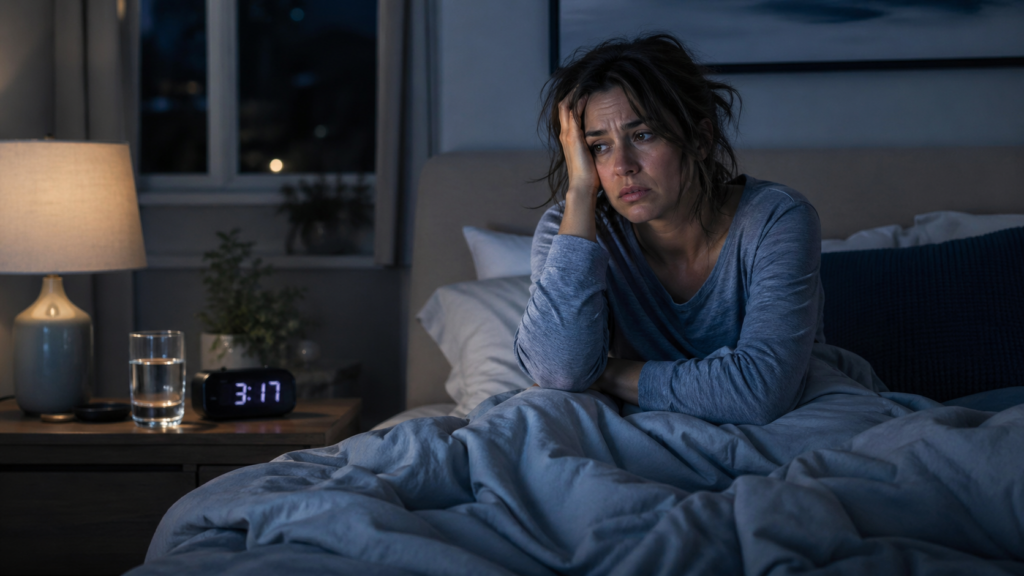
Insomnia in Women: Why Sleep Problems Happen and How to Get Help
Insomnia in women is more common than many people think. It can make it hard to fall asleep, stay asleep, or wake up feeling rested. For some women, sleep problems last a few nights. For others, they turn into chronic insomnia. If you are looking for help with sleep, Revival Mental Health offers support for insomnia treatment in Orange County and related mental health needs.
Many women deal with poor sleep because of hormones, stress, anxiety disorders, depression, chronic pain, menopause, pregnancy, or other sleep disorders. Insomnia can affect mood, energy, focus, work, family life, and long-term health outcomes.
What Is Insomnia in Women?
Insomnia is a common sleep disorder that affects how well a person sleeps. Women may have trouble falling asleep, trouble staying asleep, or waking up feeling tired. Some women sleep for many hours but still do not feel rested.
Insomnia symptoms can happen at any age. But women may have more sleep disturbances during the menstrual cycle, pregnancy, the third trimester, postpartum life, perimenopause, menopause, and later life.
Short Term Insomnia vs Chronic Insomnia
Short term insomnia may happen after stressful life events. This can include grief, divorce, job stress, trauma, illness, or big life changes. It may last for a few days or weeks.
Chronic insomnia means sleep problems happen at least three nights a week and last for three months or longer. Chronic insomnia disorder can become a serious health issue because the body and brain do not get steady rest.
Primary Insomnia and Secondary Insomnia
Primary insomnia means sleep trouble is the main problem. Secondary insomnia means sleep issues are linked to another cause.
Secondary insomnia may be linked to:
- Mental health conditions
- Chronic pain
- Sleep apnea
- Restless legs syndrome
- Post traumatic stress disorder
- Traumatic brain injury
- Heart disease
- High blood pressure
- Medicine side effects
- Other sleep disorders
A sleep medicine clinic or sleep center may help find the cause. A provider may ask about sleep habits, sleep wake times, mental health, medical history, and daily stress.
Common Insomnia Symptoms in Women
Insomnia symptoms can look different from person to person. Some women have difficulty falling asleep. Others wake up many times in the night. Some wake up too early and cannot go back to sleep.
Signs You May Have Insomnia
Common signs of insomnia in women include:
- Feeling tired after sleep
- Trouble falling asleep
- Trouble sleeping through the night
- Waking too early
- Poor sleep quality
- Low energy during the day
- Mood swings
- Irritability
- Brain fog
- Worry about sleep
- Poor focus
- More anxiety at night
- Needing caffeine to get through the day
Women with long term insomnia may also notice lower work performance, more stress, and less interest in daily life.
When Poor Sleep Becomes a Bigger Problem
Poor sleep can affect the whole body. It may raise the risk of mental health disorders, clinical depression, anxiety disorders, high blood pressure, heart disease, and poor health outcomes over time.
Poor sleep can also make pain feel worse. Women with chronic pain may find it harder to fall asleep, and lack of sleep may make pain stronger the next day. This can create a hard cycle.
Why Insomnia Happens More Often in Women
Insomnia in women can be caused by many things at once. Hormones, stress, health changes, family roles, trauma, and mental health can all play a part.
Women may face sleep challenges across the lifespan. Sleep disorders in women can also be missed because symptoms may look like stress, mood changes, or fatigue.
Hormone Changes and the Menstrual Cycle
The menstrual cycle can affect sleep patterns. Some women sleep worse before their period. This may happen because of changes in estrogen and progesterone.
Premenstrual syndrome can cause:
- Cramps
- Headaches
- Mood changes
- Anxiety
- Irritability
- Sleep difficulties
- Trouble falling asleep
Premenstrual dysphoric disorder can cause stronger mood symptoms, anxiety, depression, and trouble sleeping. These changes may disrupt sleep and make it harder to get a good night’s sleep.
Pregnancy and the Third Trimester
Pregnancy can also change sleep. In the third trimester, women may wake up often because of body changes and discomfort.
Common pregnancy-related sleep problems may include:
- Back pain
- Heartburn
- Leg cramps
- Bathroom trips
- Worry about birth
- Trouble finding a comfortable sleep position
- Restless legs syndrome
- Sleep disordered breathing
Pregnant women may also have an increased risk of sleep apnea and other sleep disorders. These can lower sleep quality and lead to poor sleep during the day.
Menopausal Insomnia
Menopausal insomnia is very common. During perimenopause and menopause, hormone changes can cause hot flashes and night sweats. These symptoms can wake a woman from sleep and make staying asleep harder.
Postmenopausal women may also notice:
- Lighter sleep
- Earlier wake times
- More sleep disturbances
- More trouble staying asleep
- Lower sleep quality
- More daytime tiredness
Hot Flashes and Night Sweats
Hot flashes and night sweats can disrupt sleep by raising body heat and causing sweating. A woman may wake up soaked, cold, anxious, or wide awake.
Simple steps that may help include:
- Keeping the room cool
- Wearing light sleep clothes
- Using breathable bedding
- Avoiding alcohol near bedtime
- Avoiding spicy foods at night
- Keeping water near the bed
- Talking with a provider if symptoms are severe
Hormone Replacement Therapy
Hormone replacement therapy may help some women with menopause symptoms, including hot flashes and sleep problems. But it is not right for everyone.
A doctor should review:
- Personal health history
- Risk factors
- Blood pressure
- Heart disease risk
- Cancer history
- Current medicines
- Sleep problems
- Menopause symptoms
Women should not start hormone replacement therapy without medical guidance.
Mental Health and Insomnia in Women
Mental health and sleep are closely linked. Poor sleep can make mental health worse. Mental health conditions can also make sleep worse.
Anxiety Disorders and Trouble Sleeping
Anxiety disorders can cause racing thoughts at night. A woman may lie in bed thinking about work, family, health, money, or past events. This can lead to difficulty falling asleep and trouble staying asleep.
Common anxiety-related sleep problems include:
- Racing thoughts
- Tight muscles
- Fast heartbeat
- Worry about the next day
- Panic feelings at night
- Trouble relaxing
- Fear of not sleeping
When the brain feels unsafe, the body may stay alert. This makes it harder to relax and fall asleep.
Clinical Depression and Mood Disorders
Clinical depression and mood disorders can affect sleep patterns. Some women sleep too much and still feel tired. Others wake up too early or cannot fall asleep at all.
Mood disorders and affective disorders may cause:
- Low energy
- Sad mood
- Loss of interest
- Poor focus
- Changes in appetite
- Trouble sleeping
- Poor sleep quality
- Daytime fatigue
When insomnia and mood symptoms happen together, it is important to treat both.
Post Traumatic Stress Disorder
Post traumatic stress disorder can cause nightmares, fear at night, body tension, and trouble falling asleep. Some women may avoid sleep because dreams feel scary. Others may wake up often because the body is on high alert.
PTSD-related sleep problems may include:
- Nightmares
- Flashbacks
- Fear of sleeping
- Trouble falling asleep
- Trouble staying asleep
- Feeling unsafe at night
- Waking up tense or scared
PTSD-related insomnia is not a sign of weakness. It is a symptom or side effect of how trauma affects the brain and nervous system.
Mental Illness and Sleep Health
Mental illness can affect the sleep cycle. Sleep problems may happen with depression, anxiety, bipolar disorder, PTSD, eating disorders, and other mental health disorders.
Revival Mental Health looks at the full picture. Sleep is not treated as a small problem. It is part of mental health, physical health, and daily function.
Medical Causes of Insomnia in Women
Not all insomnia is caused by stress. Some women have medical sleep disorders or health conditions that need care.
Sleep Apnea and Sleep Disordered Breathing
Sleep apnea is a sleep disorder where breathing stops or becomes shallow during sleep. Sleep disordered breathing may cause poor sleep even when a person does not remember waking up.
Signs of sleep apnea may include:
- Loud snoring
- Gasping during sleep
- Morning headaches
- Dry mouth
- Daytime tiredness
- Poor focus
- Mood changes
- Waking up often
- High blood pressure
Many people think sleep apnea only affects men, but women can have it too. In women, sleep apnea may look like insomnia, fatigue, depression, anxiety, or poor sleep instead of loud snoring.
A sleep study may be needed to check for sleep apnea.
Restless Legs Syndrome
Restless legs syndrome can cause an uncomfortable feeling in the legs at night. A woman may feel the need to move her legs to get relief. This can make it hard to fall asleep and stay asleep.
Restless legs syndrome may feel like:
- Crawling feelings in the legs
- Tingling
- Pulling
- Aching
- Strong urges to move the legs
- Symptoms that get worse at night
Restless legs syndrome can be linked with pregnancy, low iron, kidney disease, and some medicines. A provider can help check possible causes.
Chronic Pain
Chronic pain can make sleep very hard. Pain from arthritis, injury, headaches, pelvic pain, back pain, or nerve pain can wake a person often.
Chronic pain and insomnia may create a cycle:
- Pain makes it hard to sleep
- Poor sleep makes pain feel worse
- More pain raises stress
- More stress leads to more trouble sleeping
This cycle may need support from internal medicine, sleep medicine, physical care, and mental health care.
Traumatic Brain Injury
A traumatic brain injury can change the sleep wake cycle. Some people develop sleep difficulties after a concussion or head injury.
Sleep problems after a traumatic brain injury may include:
- Sleeping too much
- Sleeping too little
- Waking often
- Feeling tired during the day
- Trouble falling asleep
- Changes in sleep patterns
If insomnia starts after a head injury, it is important to tell a doctor.
Alzheimer’s Disease and Older Adults
Older adults may have more sleep problems because of health issues, medicine changes, pain, memory changes, and changes in the sleep cycle. Alzheimer’s disease can also cause sleep wake problems, nighttime confusion, and disrupted sleep patterns.
Older adults may need help if they have:
- New sleep problems
- Nighttime confusion
- Daytime sleepiness
- Falls from getting up at night
- Changes in memory
- Mood changes
- Trouble staying asleep
Older adults should have sleep issues reviewed because insomnia treated early may improve safety, mood, and daily life.
Risk Factors for Developing Insomnia
Some women have a higher chance of developing insomnia. Risk factors may include:
- Stressful life events
- Anxiety disorders
- Clinical depression
- Mood disorders
- Post traumatic stress disorder
- Chronic pain
- Poor sleep habits
- Shift work
- Pregnancy
- Menopause
- Hot flashes
- Night sweats
- Sleep apnea
- Restless legs syndrome
- High blood pressure
- Heart disease
- Traumatic brain injury
- Certain medicines
- Mental health conditions
- Family or caregiver stress
- Premenstrual syndrome
- Premenstrual dysphoric disorder
- Older age
These risk factors do not mean insomnia will happen for sure. But they can increase risk and make sleep problems harder to manage.
How Insomnia Is Diagnosed
A provider may start with a full talk about symptoms. They may ask when sleep problems started, how often they happen, and what makes them better or worse.
Physical Exam and Health Review
A physical exam may help check for medical causes. A provider may also review:
- Medicine use
- Caffeine use
- Alcohol use
- Pain symptoms
- Breathing during sleep
- Mood symptoms
- Anxiety symptoms
- Trauma history
- Hormone changes
- Sleep habits
- Sleep patterns
- Sleep wake schedule
Some women may be referred to sleep medicine, medicine clinics, psychiatric clinics, or a sleep center for more testing.
Sleep Study
A sleep study may be used if sleep apnea, sleep disordered breathing, restless legs syndrome, or other sleep disorders are suspected.
A sleep study can track:
- Breathing
- Oxygen levels
- Heart rate
- Body movement
- Snoring
- Sleep stages
- Waking during the night
A clinical sleep medicine provider can use this information to guide care.
How Is Insomnia Treated?
Insomnia treated the right way can improve sleep, mood, energy, and quality of life. The best treatment plan depends on the cause.
Cognitive Behavioral Therapy for Insomnia
Cognitive behavioral therapy for insomnia, also called CBT-I, is one of the most trusted treatments for chronic insomnia. It can help women change thoughts and habits that keep sleep problems going.
CBT-I may include:
- Sleep scheduling
- Relaxation skills
- Stimulus control
- Sleep restriction therapy
- Help with fear around sleep
- Better sleep habits
- Stress management
- Thought-changing tools
CBT-I can help many people improve sleep without only relying on sleep medicine.
Better Sleep Habits
Poor sleep habits can make insomnia worse. Healthy sleep habits may help improve sleep over time.
Helpful steps may include:
- Going to bed and waking up at the same time
- Keeping the bedroom cool and dark
- Avoiding screens before bed
- Using the bed only for sleep and sex
- Limiting caffeine later in the day
- Avoiding long naps
- Creating a calm bedtime routine
- Getting sunlight in the morning
- Moving the body during the day
- Avoiding heavy meals close to bedtime
- Writing down worries before bed
- Keeping a steady sleep wake schedule
These steps may not cure all insomnia, but they can support better sleep health.
Treating Mental Health Conditions
If insomnia is linked to mental health conditions, therapy may help. Treatment may focus on anxiety, trauma, depression, mood disorders, or stressful life events.
Therapy may help women:
- Lower stress
- Calm racing thoughts
- Process trauma
- Build coping skills
- Manage mood symptoms
- Improve sleep quality
- Reduce fear around sleep
- Create a steady nighttime routine
Revival Mental Health may use therapy, coping skills, emotional support, and a personalized care plan to help women sleep better and feel more stable.
Medication and Medical Support
Some women may need medicine for short term insomnia or severe symptoms. A provider may also review current medicines to see if insomnia is a symptom or side effect.
Medical support may include:
- Reviewing current medicines
- Treating pain
- Checking blood pressure
- Screening for sleep apnea
- Treating restless legs syndrome
- Talking about hormone changes
- Reviewing menopause symptoms
- Ordering a sleep study when needed
Medicine should be used carefully. It works best when it is part of a larger treatment plan that may include therapy, sleep habits, and medical care.
How Revival Mental Health Helps Women With Insomnia
Revival Mental Health understands that insomnia in women is often tied to more than one issue. A woman may have anxiety, hormone changes, trauma, chronic pain, and poor sleep habits all at once.
Care may include a full review of:
- Sleep problems
- Mental health
- Sleep patterns
- Daily stress
- Risk factors
- Trauma history
- Mood symptoms
- Anxiety symptoms
- Current sleep habits
- Health concerns
The goal is to improve sleep quality, support mental health, and help each person feel more rested.
A Personalized Treatment Plan
A treatment plan may include therapy, sleep education, coping skills, lifestyle changes, and support for mental health disorders. If a sleep medicine clinic, sleep center, sleep study, or internal medicine provider is needed, referrals may be discussed.
A plan may focus on:
- Helping you fall asleep
- Helping you stay asleep
- Lowering nighttime worry
- Improving sleep quality
- Treating anxiety or depression
- Supporting trauma recovery
- Building better sleep habits
- Improving long-term sleep health
The goal is not just to help someone fall asleep for one night. The goal is better long-term sleep health.
When to Get Help for Insomnia in Women
You should consider help if insomnia happens often, affects your daily life, or lasts more than a few weeks. You should also get help if you feel tired most days, wake up gasping, have severe night sweats, feel depressed, have panic at night, or cannot function well.
You may need help if:
- You have trouble sleeping at least three nights a week
- You feel tired most days
- You have trouble falling asleep often
- You keep waking up during the night
- You wake up too early
- Your mood is getting worse
- You feel anxious about sleep
- You snore or wake up gasping
- You have chronic pain
- You have hot flashes or night sweats
- Sleep problems are affecting work, school, or family life
Insomnia can be treated. You do not have to keep pushing through poor sleep alone.
FAQs About Insomnia in Women
Why is insomnia in women so common?
Insomnia in women is common because sleep can be affected by hormones, the menstrual cycle, pregnancy, menopause, stress, trauma, anxiety, depression, chronic pain, and other sleep disorders.
Can menopause cause insomnia?
Yes. Menopausal insomnia can happen because of hormone changes, hot flashes, night sweats, mood changes, and changes in the sleep cycle. Postmenopausal women may also notice more sleep disturbances.
What are common insomnia symptoms?
Common insomnia symptoms include difficulty falling asleep, trouble sleeping through the night, waking too early, poor sleep quality, feeling tired during the day, mood changes, and trouble focusing.
Is insomnia linked to mental health?
Yes. Insomnia is often linked with mental health conditions such as anxiety disorders, clinical depression, mood disorders, post traumatic stress disorder, and other mental health disorders.
How can insomnia be treated?
Insomnia may be treated with cognitive behavioral therapy, better sleep habits, therapy for mental health, medical care, a sleep study, or other support based on the cause. Revival Mental Health can help create a treatment plan.