How PTSD Impacts Relationships
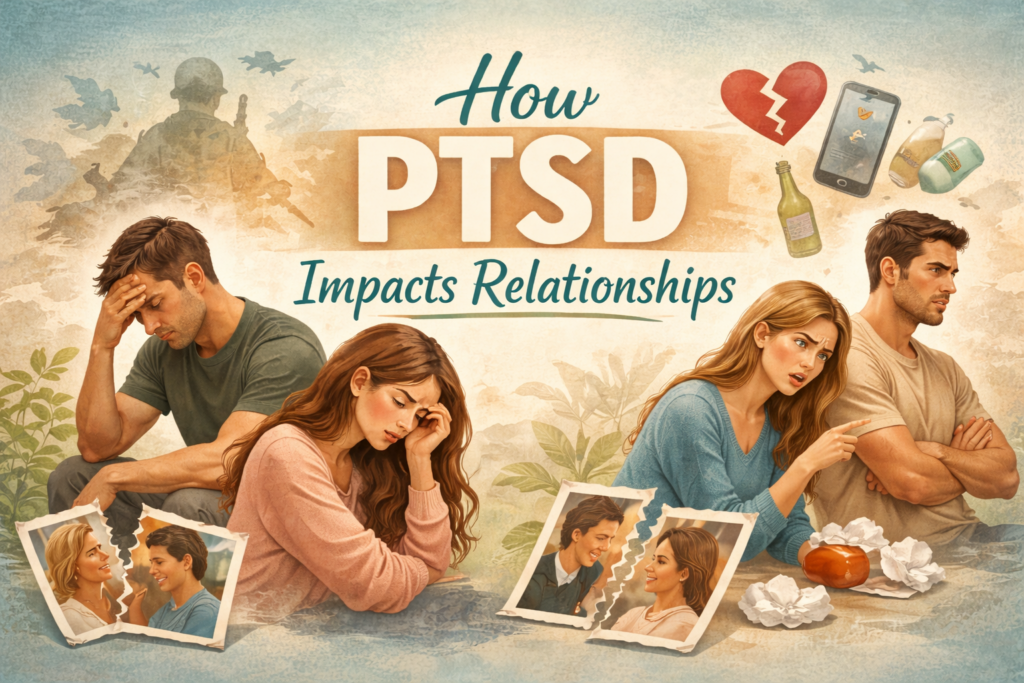
Post-traumatic stress disorder (PTSD) can change how a person thinks, feels, and acts. It often affects behavior, emotions, communication, and trust in close relationships. PTSD can develop after trauma such as assault, sexual abuse, domestic violence, natural disaster, combat, or other frightening experiences. Many veterans, survivors of violence, and people who lived through abuse or neglect struggle with PTSD.
PTSD does not only affect the person who went through trauma. It can also affect their partner, family, and community connections. If you or someone you love is struggling, learning about How PTSD Impacts Relationships is an important step toward healing. Many people find hope through professional care like PTSD treatment in Orange County at Revival Mental Health, where trained mental health professionals provide therapy, education, and support.
Understanding PTSD and Mental Health
PTSD is a mental health condition that develops after a person experiences or witnesses a traumatic event. Trauma can include violence, sexual abuse, assault, accidents, war, or natural disasters.
How Trauma Changes the Brain
Trauma affects the brain areas linked to memory, fear, stress, and emotion regulation. These changes can lead to symptoms such as:
- Flashbacks
- Anxiety
- Hypervigilance
- Insomnia
- Irritability
- Emotional dysregulation
- Dissociation
A person with PTSD may constantly feel on edge or unsafe, even when there is no real danger. This can create serious challenges in relationships and communication.
Why PTSD Impacts Relationships
Relationships rely on trust, communication, empathy, and emotional connection. PTSD symptoms can make these things harder.
Emotional Changes
People with PTSD may struggle with sadness, anger, shame, guilt, or frustration. They may feel overwhelmed by strong emotions or may feel numb.
These emotional changes can lead to:
- Mood swings
- Trouble showing vulnerability
- Difficulty expressing feelings
- Pulling away from partners or family
Partners may feel confused or hurt when emotional distance grows.
Fear and Hypervigilance
Many trauma survivors live with constant fear and hypervigilance. They may watch for danger at all times.
This can lead to:
- Trouble relaxing
- Feeling unsafe even with loved ones
- Difficulty trusting others
- Avoiding social spaces or community events
When someone is always in survival mode, it can be hard to focus on the relationship.
Communication Problems in Couples
Healthy relationships depend on good communication and active listening. PTSD can disrupt both.
Emotional Dysregulation
People with PTSD may experience emotional dysregulation, meaning their emotions feel too strong or too hard to control.
This may lead to:
- Anger outbursts
- Aggression
- Irritability
- Shutting down during conversations
These reactions can create misunderstandings between partners.
Difficulty Expressing Feelings
Trauma survivors often struggle to talk about their experience or emotions.
Some reasons include:
- Fear of judgment
- Shame or guilt
- Painful memories
- Feeling overwhelmed
Without open communication, partners may feel disconnected.
Trust and Safety in Relationships
Trauma can damage a person’s sense of safety and trust. Survivors of abuse, assault, or domestic violence may have learned that people are not safe.
Challenges with Trust
Trust may take time to rebuild. PTSD can cause:
- Suspicion of others
- Fear of betrayal
- Difficulty depending on others
- Emotional distance
Partners may feel confused when trust issues appear suddenly.
Need for Personal Space
People with PTSD sometimes need space to manage stress or anxiety. This is not rejection. It is often a coping strategy.
Healthy relationships learn to balance:
- Connection
- Personal space
- Emotional safety
Flashbacks and Trauma Memories
One of the most difficult PTSD symptoms is the flashback.
A flashback happens when the brain relives a traumatic memory as if it is happening again.
How Flashbacks Affect Relationships
During a flashback, a person may:
- Panic
- Shut down emotionally
- Become fearful
- Lose awareness of their surroundings
Partners may not understand what is happening and may feel helpless.
Education and understanding PTSD can help couples respond with empathy and patience.
The Impact of PTSD on Intimacy
Trauma can affect emotional and physical intimacy.
Emotional Intimacy
PTSD may cause:
- Emotional numbness
- Difficulty showing affection
- Fear of vulnerability
These changes can make partners feel lonely even while in a relationship.
Physical Intimacy
For survivors of sexual abuse, assault, or violence, physical closeness may trigger anxiety or trauma memories.
This can create:
- Fear during intimacy
- Avoidance of touch
- Stress in romantic relationships
Open communication and trauma-informed therapy can help couples navigate these challenges.
Anger, Irritability, and Aggression
PTSD can cause strong emotional reactions.
Some survivors struggle with:
- Anger
- Irritability
- Frustration
- Aggression
These reactions are often linked to stress and unresolved trauma.
In some cases, untreated PTSD can increase the risk of domestic violence or harmful conflict patterns. Professional mental health treatment can help individuals learn healthier coping skills.
How PTSD Affects Family and Community Life
PTSD does not only affect romantic partners. It can impact the entire family system.
Family Stress
Family members may feel:
- Confusion
- Worry about their loved one
- Emotional exhaustion
- Fear during emotional outbursts
Children may struggle to understand changes in a parent’s behavior or mood.
Isolation from Community
Many trauma survivors withdraw from their community.
They may avoid:
- Social gatherings
- Friends
- Public places
This isolation can increase sadness, anxiety, and loneliness.
Coping Strategies for Couples
While PTSD can create challenges, many couples learn ways to manage symptoms and strengthen their relationship.
Build Understanding
Education about psychology and trauma helps partners understand symptoms.
Learning about PTSD can reduce blame and increase empathy.
Practice Active Listening
Active listening helps partners feel heard.
This means:
- Paying attention without interrupting
- Showing empathy
- Asking supportive questions
- Avoiding judgment
Healthy communication creates a safe space for emotional sharing.
Create Safety and Trust
Couples can rebuild trust by:
- Being consistent
- Showing patience
- Respecting boundaries
- Offering emotional support
Trust grows slowly but steadily.
The Role of Therapy in Healing Relationships
Professional help is often the most effective way to manage PTSD and relationship challenges.
Trauma Therapy
Trauma-focused therapy can help people process painful memories.
Common approaches include:
- Cognitive behavioral therapy (CBT)
- Trauma therapy
- Desensitization techniques
- Stress management
- Emotional regulation skills
These methods help reduce flashbacks, anxiety, and emotional dysregulation.
Couples Therapy
Couples therapy can help partners improve communication and rebuild trust.
Couples therapy focuses on:
- Conflict resolution
- Emotional connection
- Healthy communication
- Understanding trauma triggers
Working with a mental health professional trained in trauma-informed care can strengthen the relationship.
Support Systems Matter
Healing from PTSD is easier with strong support systems.
Peer Support
Many survivors benefit from peer support groups where they can share experiences and coping tools.
Peer support helps reduce:
- Shame
- Isolation
- Feelings of being alone
Community Resources
Community programs, mental health education, and treatment centers provide important support.
Some treatment options may also accept insurance, making care more accessible.
When to Seek Professional Treatment
PTSD symptoms should not be ignored. Seeking treatment can improve both mental health and relationship stability.
You may benefit from professional help if you notice:
- Frequent flashbacks
- Severe anxiety or fear
- Trouble sleeping or insomnia
- Anger or aggression
- Emotional numbness
- Relationship conflict
- Substance use or addiction
A trained psychiatry or psychology professional can provide proper evaluation and treatment.
At Revival Mental Health, compassionate clinicians provide trauma-informed care to help individuals and couples rebuild their lives and relationships.
Healing Is Possible
PTSD can deeply impact relationships, but recovery is possible. With the right treatment, education, coping tools, and emotional support, couples can rebuild trust and strengthen their connection.
Healing takes time. Patience, understanding, and professional support make a powerful difference.
When trauma survivors feel safe, heard, and supported, relationships can grow stronger and healthier.

FAQs
Can PTSD ruin a relationship?
PTSD can create challenges in relationships because symptoms like fear, anger, flashbacks, and emotional distance can affect communication and trust. However, with therapy, education, and support, many couples learn to manage PTSD and build healthier relationships.
How does PTSD affect communication in couples?
PTSD can cause emotional dysregulation, irritability, and anxiety, which may lead to conflict or withdrawal during conversations. Couples therapy and active listening can improve communication and understanding.
Why do people with PTSD push their partners away?
Trauma survivors may push partners away because of fear, shame, guilt, or emotional numbness. They may also need personal space to manage stress or avoid triggers linked to traumatic memories.
Can couples therapy help PTSD relationships?
Yes. Couples therapy can help partners improve communication, rebuild trust, and learn coping strategies. A trauma-informed mental health professional can guide couples through healing together.
What is the best treatment for PTSD?
Effective PTSD treatments often include trauma-focused therapy, cognitive behavioral therapy, desensitization techniques, and peer support. Mental health professionals help patients develop coping skills and process trauma safely.