How PTSD Affects Daily Life
Post-Traumatic Stress Disorder (PTSD) can change how a person thinks, feels, and lives each day. It is a serious mental health disorder that may develop after a scary or harmful experience such as abuse, assault, accidents, disasters, or childhood trauma. PTSD affects a person’s behavior, emotion, memory, and overall health.
Many people with PTSD struggle with stress, anxiety, and strong emotional reactions. According to the American Psychiatric Association, PTSD is recognized in the Diagnostic and Statistical Manual of Mental Disorders (DSM-5) as a trauma-related disease that affects millions of people.
People living with PTSD often face challenges in work, relationships, sleep, and daily routines. Getting support and professional therapy is important. A mental health professional can help people understand symptoms and start healing through effective treatment. If you or someone you love is struggling, professional care such as PTSD treatment in Orange County may help improve daily life and overall mental health.
What Is PTSD?
PTSD is a mental health condition that develops after someone experiences or witnesses a traumatic event. Trauma can include assault, abuse, natural disasters, accidents, or violence.
How Trauma Changes the Brain
Trauma affects areas of the brain responsible for memory, emotion, and cognition. This can make a person feel stuck in survival mode.
Research shows trauma can affect:
- Mood
- Emotional regulation
- Stress response
- Sleep cycles
- Thought patterns
These changes can cause ongoing distress, even when the traumatic event is over.
PTSD and the Diagnostic and Statistical Manual of Mental Disorders
The Diagnostic and Statistical Manual of Mental Disorders (DSM) outlines specific criteria for diagnosing PTSD. According to the American Psychiatric Association, symptoms must affect a person’s life for more than one month and cause serious distress or functional problems.
A trained health professional or mental health professional typically diagnoses PTSD through evaluation and clinical information.
Common Symptoms of PTSD
PTSD symptoms can vary, but they often fall into several categories.
Flashbacks and Intrusive Memories
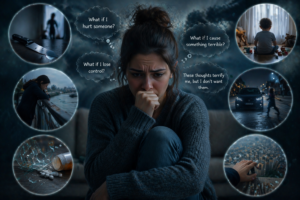
A flashback happens when a person feels like they are reliving the traumatic event.
This can involve:
- Vivid memory of trauma
- Intense emotion
- Physical reactions such as sweating or shaking
- Fear and panic
Some people also have distressing dream experiences or nightmares about trauma.
Avoidance Behavior
People with PTSD often avoid reminders of the trauma. This behavior may include:
- Avoiding certain places
- Avoiding conversations
- Avoiding people connected to the event
- Suppressing painful thoughts
Avoidance may temporarily reduce stress, but it can make PTSD worse over time.
Changes in Mood and Thinking
PTSD can strongly affect mood, thought, and emotional well-being.
Common changes include:
- Persistent depression
- Negative beliefs about oneself
- Loss of interest in activities
- Feelings of guilt or shame
- Emotional numbness
Some individuals may also experience other mental disorders such as bipolar disorder or seasonal affective disorder alongside PTSD.
Increased Arousal and Reactivity
PTSD often causes increased arousal in the nervous system.
This can include:
- Irritability
- Sudden anger
- Being easily startled
- Difficulty concentrating
- Trouble sleeping
Many patients report severe sleep disruption and insomnia.
How PTSD Affects Daily Life
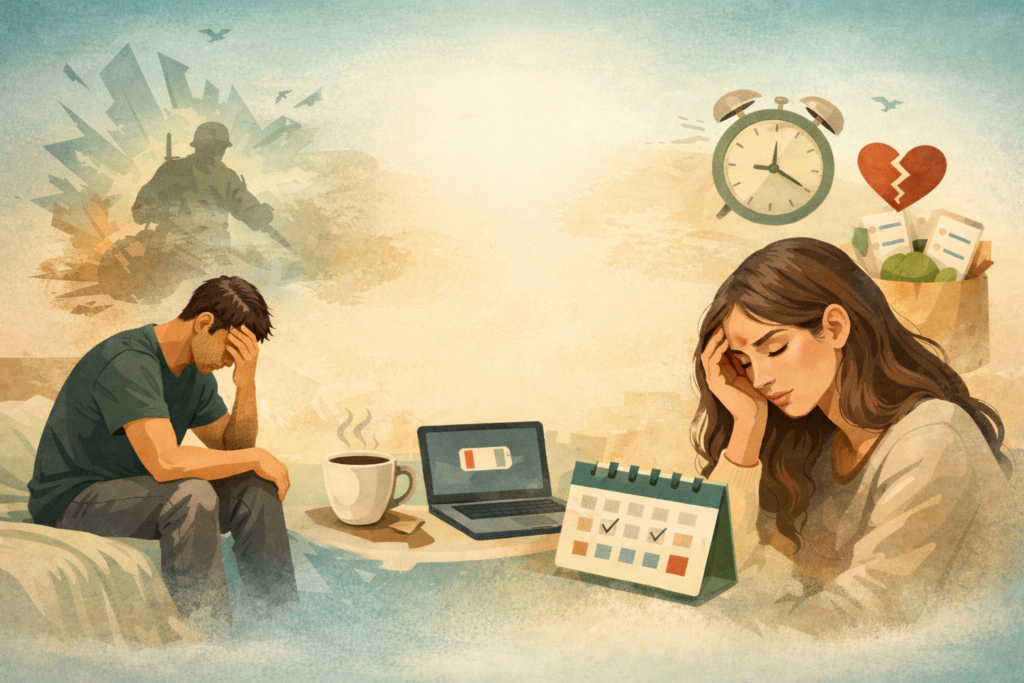
PTSD can affect nearly every part of daily life.
Impact on Work and School
Many people struggle to focus because trauma affects cognition and thought patterns.
This may cause:
- Poor concentration
- Memory problems
- Reduced productivity
- Difficulty completing tasks
The emotional impact of trauma may also affect motivation and confidence.
Effects on Relationships
PTSD can make relationships challenging.
Symptoms such as anger, irritability, and emotional withdrawal may cause conflict with loved ones.
Some people feel disconnected from others because they struggle to process traumatic experience and emotion.
Effects on Physical Health
Trauma can affect both mental and physical health.
People with PTSD may experience:
- Chronic stress
- Fatigue
- Sleep disorders
- Headaches
- Increased risk of other disease
Long-term trauma can weaken the immune system and increase overall health risk.
Sleep Problems and Nightmares
Sleep disruption is one of the most common PTSD symptoms.
Many people experience:
- Insomnia
- Nightmares
- Repeated trauma-related dream experiences
- Restless sleep
Poor sleep can worsen anxiety, depression, and daily stress, making it harder for the brain to recover from trauma.
PTSD and Emotional Regulation
Trauma affects emotional control. People may experience intense or unpredictable emotion responses.
Common emotional challenges include:
- Fear
- Sadness
- Anger
- Hopelessness
- Emotional numbness
These feelings may change quickly, which can affect relationships and personal well-being.
PTSD and Substance Abuse
Some individuals turn to alcohol or drugs to cope with trauma.
This can lead to substance abuse or addiction.
Substances commonly used include:
- Alcohol
- Prescription drug misuse
- Illegal drugs
Using substances may temporarily reduce emotional pain, but it can worsen mental health disorders over time.
Co-occurring PTSD and addiction are common. Professional treatment often addresses both conditions at the same time.
PTSD and Co-Occurring Mental Health Disorders
PTSD often appears with other mental health conditions.
Common co-occurring disorders include:
- Depression
- Anxiety disorders
- Bipolar disorder
- Seasonal affective disorder
- Substance use disorders
A mental health professional may treat these conditions together through integrated psychiatry and therapy approaches.
PTSD Treatment Options
Effective treatment can help people regain control of their lives.
Therapy for PTSD
Evidence-based therapy is often the main treatment.
Common approaches include:
- Cognitive Behavioral Therapy (CBT)
- Trauma-focused therapy
- Exposure therapy
- Eye Movement Desensitization and Reprocessing (desensitization therapy)
These treatments help patients process trauma and change harmful thought patterns.
Medication and Psychiatry
Some individuals benefit from medication prescribed through psychiatry.
Doctors may prescribe medicine to help manage symptoms such as:
- Anxiety
- Depression
- Sleep problems
- Mood changes
Medication may include antidepressants or other approved drug treatments.
Community and Support Systems
Recovery often improves when patients have strong community support.
Helpful resources include:
- Support groups
- Family therapy
- Trauma recovery programs
- Mental health education
Support networks help reduce isolation and encourage healthy coping strategies.
Healthy Coping Strategies for PTSD
Learning new coping skills can help reduce symptoms and improve daily life.
Stress Management Techniques
Managing stress is important for trauma recovery.
Helpful practices include:
- Deep breathing
- Meditation
- Exercise
- Journaling
- Mindfulness
These techniques help calm the nervous system and reduce emotional distress.
Building Healthy Routines
Healthy daily habits improve both mental and physical health.
Examples include:
- Regular sleep schedule
- Balanced nutrition
- Social connection
- Limiting alcohol use
These routines help stabilize mood and support recovery.
Seeking Professional Help
A trained health professional can provide guidance and support during treatment.
Mental health providers help patients:
- Understand trauma
- Develop coping strategies
- Address emotional challenges
- Improve overall well-being
Professional care can make a significant difference in long-term healing.
PTSD Prevalence and Research
PTSD affects millions of people worldwide.
Studies show that the prevalence of PTSD varies depending on trauma exposure and life circumstances.
Research continues to explore:
- Brain changes related to trauma
- Effective therapy methods
- Medication improvements
- Long-term recovery outcomes
Understanding trauma through scientific research helps improve treatment and support for people living with PTSD.
When to Seek Help
If PTSD symptoms interfere with daily life, it is important to seek help from a mental health professional.
Warning signs include:
- Ongoing emotional distress
- Severe anxiety
- Sleep disruption
- Substance misuse
- Difficulty functioning at work or home
Early treatment can reduce long-term symptoms and improve quality of life.
Healing Is Possible
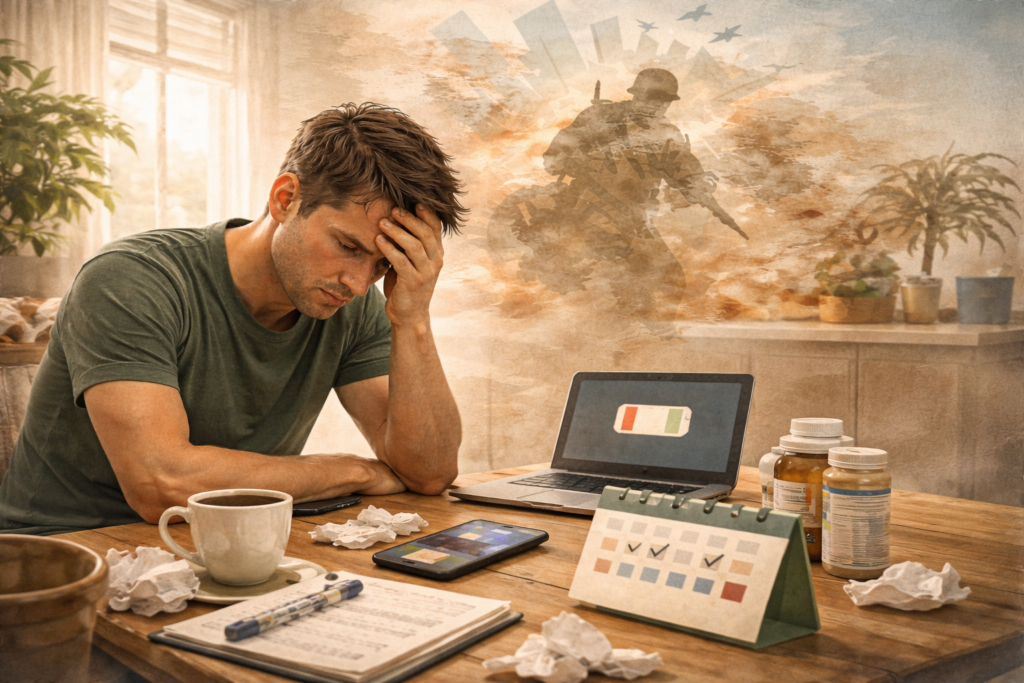
PTSD can make daily life feel overwhelming, but recovery is possible. With the right therapy, professional psychiatry, and healthy coping skills, many people regain control of their lives.
Healing takes time, but with the support of trained health professionals and a caring community, individuals can move forward after trauma.
FAQs About How PTSD Affects Daily Life
What are the most common ways PTSD affects daily life?
PTSD often affects sleep, mood, relationships, and concentration. People may experience flashbacks, anxiety, irritability, and emotional distress that interfere with normal activities.
Can PTSD affect physical health?
Yes. PTSD can increase stress, weaken the immune system, and lead to health problems such as fatigue, headaches, and sleep disorders.
Is PTSD linked to substance abuse?
Some people with PTSD turn to alcohol or drugs to cope with trauma. This can lead to substance abuse and addiction, which is why professional treatment is important.
What treatments help PTSD symptoms?
Common treatments include trauma-focused therapy, medication through psychiatry, and supportive coping strategies such as mindfulness and stress management.
Can PTSD improve with treatment?
Yes. Many patients see major improvements through therapy, medication, and support from mental health professionals and their community.