

Trauma Brain Effects: How Trauma Changes the Brain
Trauma can change how the brain works. Many people who go through traumatic experiences notice changes in their thoughts, feelings, behavior, and health. The brain tries to protect the body from danger, but sometimes these changes stay long after the event ends.
Understanding trauma brain effects can help people know why they feel the way they do. Trauma can impact memory, emotion, sleep, anxiety, and mood. It can even change how parts of the brain like the amygdala, hippocampus, and prefrontal cortex work.
If you or someone you love is dealing with the mental and physical effects of trauma, professional support can help. Treatment like trauma therapy can help the brain and nervous system heal.
What Are Trauma Brain Effects?
Trauma brain effects refer to the way trauma changes how the brain and nervous system function. Trauma can come from many experiences, such as:
- A serious accident
- Physical or emotional injury
- Abuse or violence
- Natural disasters
- Military combat
- Medical emergencies
- Loss of a loved one
- Childhood trauma or infant trauma
When these events happen, the brain enters a survival mode. This activates the stress response in the body.
During trauma, the brain releases chemicals that prepare the body to fight, run away, or freeze. This reaction helps people survive dangerous situations. However, repeated or severe trauma can cause lasting changes in mental health, behavior, and emotional regulation.
Many people may develop symptoms linked to anxiety disorder, panic, insomnia, anger, or depression because of these brain changes.
How Trauma Affects the Brain
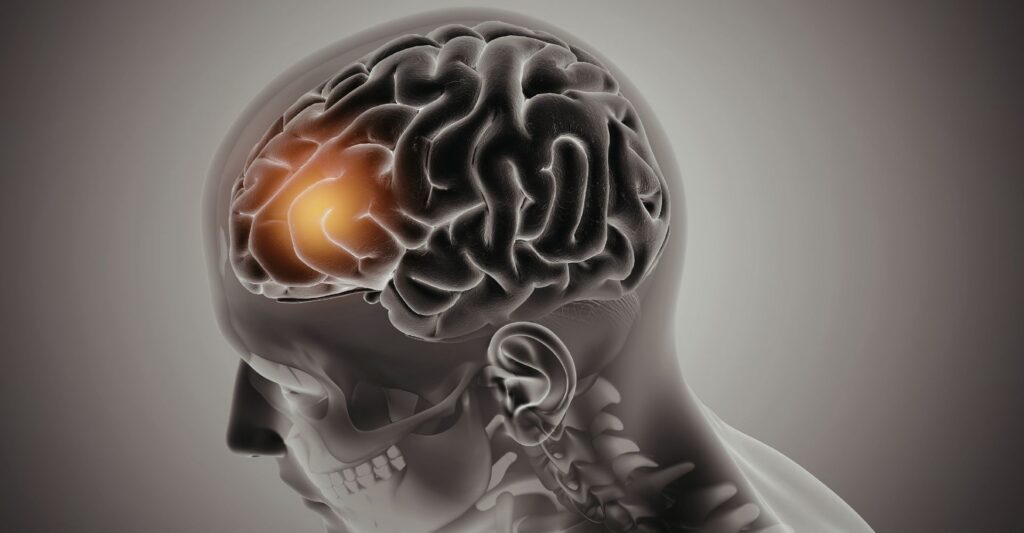
Trauma impacts several important areas of the brain. Modern neuroscience and psychology research shows that trauma affects the brain’s ability to process information, emotion, and memory.
The Amygdala and Fear Response
The amygdala is the part of the brain that detects danger. It plays a major role in fear, anxiety, and the startle response.
When trauma happens, the amygdala becomes highly active. This means the brain may:
- Constantly scan for threats
- Overreact to stress
- Trigger panic or hypervigilance
- Cause strong emotional reactions
This is why people with trauma may feel easily startled or always “on edge.” Their brain is trying to protect them from danger.
The Hippocampus and Memory
The hippocampus is responsible for forming and organizing memory.
Trauma can affect how the hippocampus processes information. This may lead to:
- Trouble remembering details
- Flashbacks of traumatic experiences
- Confusion about when events happened
- Emotional memories that feel very real
Research in psychiatry and neuroscience shows that trauma may reduce the size or activity of the hippocampus over time.
This can make it harder for the brain to separate past trauma from present safety.
The Prefrontal Cortex and Decision Making
The prefrontal cortex controls thinking, decision making, and emotional control.
When trauma happens, this part of the brain may become less active. This can make it harder to:
- Control anger or emotion
- Manage stress
- Think clearly during panic
- Calm down after a threat
Because of this, trauma survivors may feel overwhelmed by strong feelings, thoughts, or mood changes.
Trauma and the Limbic System
The limbic system is a group of brain structures that control emotion, memory, and behavior.
Important parts of the limbic system include:
- Amygdala
- Hippocampus
- Hypothalamus
Trauma can cause the limbic system to become overactive. This means the brain stays stuck in survival mode.
When this happens, people may experience:
- Strong emotional reactions
- Fear without clear danger
- Anxiety and panic
- Difficulty regulating mood
The brain is reacting as if the traumatic event is still happening.
Trauma and the Nervous System
Trauma strongly affects the nervous system, which controls how the body reacts to stress.
The nervous system has two main responses:
Fight-or-flight responseThe body prepares for danger by releasing stress hormones.
Rest-and-digest responseThe body relaxes and recovers.
After trauma, the nervous system may stay in a constant state of alertness. This leads to symptoms like:
- Hypervigilance
- Rapid heartbeat
- Muscle tension
- Headache
- Difficulty relaxing
- Panic attacks
These physical symptoms show how trauma impacts both the mind and body.
Mental Health Effects of Trauma on the Brain
Trauma can increase the risk of many mental health conditions.
Common trauma-related challenges include:
- Anxiety disorder
- Depression
- Post-traumatic stress disorder (PTSD)
- Anger and irritability
- Emotional numbness
- Panic attacks
- Difficulty coping with stress
Trauma may also influence behavior, leading some people to use alcohol or substances to cope with emotional pain.
These behaviors often develop as attempts to manage overwhelming feelings, fear, or intrusive thoughts.
Mental health professionals in psychology, medicine, and psychiatry work together to help people understand and treat these trauma effects.
Physical Health Effects of Trauma
Trauma does not only affect the brain. It can also impact overall health and the body.
Some physical symptoms linked to trauma include:
- Chronic pain
- Headache
- Digestive problems
- Fatigue
- Muscle tension
- Sleep problems
- Insomnia
Trauma can also affect the body’s blood pressure, immune system, and stress hormones.
Research shows long-term trauma exposure may increase risk for certain diseases related to chronic stress.
Because trauma affects both the mind and body, treatment often includes holistic approaches to healing.
Trauma and Sleep Problems
Sleep problems are very common after trauma.
Many people experience:
- Insomnia
- Nightmares
- Fear of sleeping
- Frequent waking
- Panic during sleep
The brain stays alert because it believes danger could happen again. This keeps the nervous system active even at night.
Poor sleep can worsen anxiety, mood changes, and emotional distress.
Improving sleep is an important part of trauma recovery.
Trauma, Emotion, and Behavior
Trauma can deeply influence how people experience emotion and behavior.
Some people may experience:
- Strong anger
- Sudden mood changes
- Emotional numbness
- Fear or panic
- Difficulty trusting others
The brain is trying to process overwhelming information and experiences.
People may also have trouble managing their thoughts or reactions because trauma affects emotional regulation in the brain.
Learning healthy coping skills can help the brain create new pathways for emotional balance.
Trauma in Infants and Childhood
Trauma can affect the developing brain of an infant or child even more strongly.
Early trauma may come from:
- Abuse
- Neglect
- Medical injury
- Accidents
- Household violence
Childhood trauma can impact:
- Brain development
- Emotional regulation
- Memory formation
- Behavior and learning
Early treatment and supportive environments can help protect the developing brain and promote healing.
Can the Brain Heal from Trauma?
Yes. The brain has an amazing ability to heal through a process called neuroplasticity.
Neuroplasticity means the brain can form new connections and pathways.
With the right support, people can recover from trauma and improve their mental health and emotional stability.
Healing may involve:
- Trauma-focused therapy
- Counseling and psychiatry
- Stress reduction techniques
- Healthy sleep habits
- Emotional coping skills
Many treatment programs combine psychology, neuroscience, and medicine to help people recover.
Trauma Therapy and Brain Recovery
Trauma therapy helps retrain the brain and calm the nervous system.
Effective trauma treatments may include:
- Cognitive Behavioral Therapy (CBT)
- EMDR therapy
- Somatic therapy
- Trauma-focused counseling
- Mindfulness practices
These approaches help people process traumatic memories, emotions, and experiences safely.
Therapy also teaches new coping strategies to manage fear, stress, and panic.
At Revival Mental Health, trauma specialists use evidence-based approaches supported by research in psychiatry and neuroscience to help clients rebuild emotional balance and mental health.
Recovery is possible with the right support.
When to Seek Help for Trauma Brain Effects
If trauma symptoms interfere with daily life, professional help may be beneficial.
Signs someone may need support include:
- Ongoing anxiety or panic
- Trouble sleeping or severe insomnia
- Hypervigilance or constant fear
- Difficulty managing anger
- Persistent emotional pain
- Problems with memory or concentration
Early treatment can improve outcomes and help the brain recover faster.
Mental health professionals can guide people through safe and effective treatment plans.
FAQs About Trauma Brain Effects
What are trauma brain effects?
Trauma brain effects are changes in how the brain works after traumatic experiences. Trauma can affect memory, fear response, emotion regulation, and stress levels in the nervous system.
Which parts of the brain are affected by trauma?
Trauma mainly impacts the amygdala, hippocampus, and prefrontal cortex. These areas control fear, memory, decision making, and emotional regulation.
Can trauma cause anxiety or panic attacks?
Yes. Trauma can increase activity in the brain’s fear center, which may lead to anxiety disorder, panic attacks, and hypervigilance.
Does trauma affect sleep?
Yes. Trauma often causes sleep problems such as insomnia, nightmares, and night anxiety because the nervous system remains on high alert.
Can therapy help heal trauma brain effects?
Yes. Trauma-focused therapy and mental health treatment can help regulate the nervous system, improve emotional control, and support brain healing through neuroplasticity.