


Understanding Overstimulation and Anxiety: Causes, Symptoms, and Effective Relief Strategies
Overstimulation and anxiety are increasingly prevalent issues in today’s fast-paced world, affecting individuals across various demographics. This article delves into the intricate relationship between sensory overload and anxiety, exploring their causes, symptoms, and effective relief strategies. Readers will gain insights into how sensory stimuli can trigger anxiety responses and learn about practical techniques to manage these challenges. By understanding the mechanisms behind overstimulation, individuals can better navigate their experiences and find effective coping strategies. The following sections will cover sensory overload symptoms, anxiety triggers, management techniques, recent research insights, and personalized coping strategies.
What Are Sensory Overload Symptoms and How Do They Relate to Anxiety?
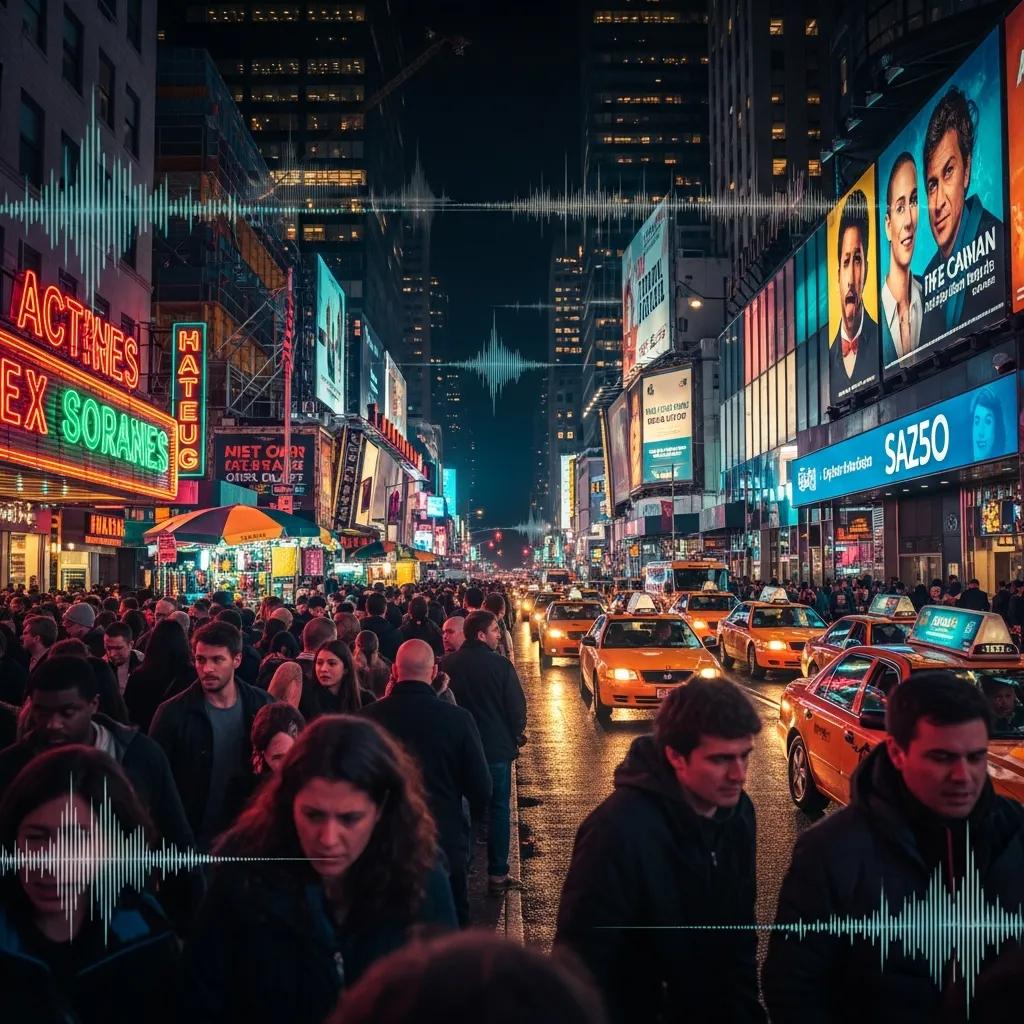
Sensory overload symptoms occur when an individual is exposed to an excessive amount of sensory stimuli, leading to feelings of discomfort and anxiety. This phenomenon can manifest through various channels, including visual, auditory, and tactile stimuli, overwhelming the brain’s ability to process information effectively. The result is often heightened anxiety levels, as the brain struggles to cope with the influx of sensory data. Understanding these symptoms is crucial for identifying effective management strategies.
Which sensory stimuli commonly cause overstimulation?
Common sensory stimuli that lead to overstimulation include loud noises, bright lights, crowded spaces, and strong smells. For instance, a bustling city environment can overwhelm individuals sensitive to auditory and visual inputs. These stimuli can trigger physical reactions such as increased heart rate, sweating, and irritability, making it challenging for individuals to focus or relax. Recognizing these triggers is the first step in managing sensory overload effectively.
How do sensory overload symptoms trigger anxiety responses?
Sensory overload symptoms can trigger anxiety responses through complex neurological pathways. When the brain perceives overwhelming stimuli, it activates the fight-or-flight response, leading to heightened emotional reactions. This response can result in feelings of panic, fear, and anxiety, as the individual struggles to regain control over their environment. Understanding this connection helps individuals develop strategies to mitigate anxiety when faced with sensory overload.
Further research underscores the complex interplay between sensory experiences and anxiety, highlighting a cyclical relationship.
What Are the Main Anxiety Triggers Linked to Overstimulation?
Anxiety triggers linked to overstimulation can vary widely among individuals, influenced by both environmental and neurological factors. Identifying these triggers is essential for effective anxiety management.
How do environmental and neurological factors contribute to anxiety triggers?
Environmental factors such as noise pollution, chaotic surroundings, and social interactions can significantly contribute to anxiety triggers. Additionally, neurological factors, including individual sensitivity to sensory inputs, play a crucial role. For example, individuals with heightened sensory processing sensitivity may experience anxiety more acutely in overstimulating environments. Understanding these factors allows for tailored coping strategies that address specific triggers.
What role does neurodiversity play in sensitivity to overstimulation?
Neurodiversity encompasses a range of neurological differences, including autism spectrum disorder and attention deficit hyperactivity disorder (ADHD), which can influence sensitivity to overstimulation. Individuals within these groups may experience sensory inputs more intensely, leading to increased anxiety levels. Recognizing the impact of neurodiversity on sensory processing can inform the development of effective coping mechanisms tailored to individual needs.
Understanding the neurological basis of how individuals process sensory information is key to developing effective, personalized interventions.
How Can You Manage Sensory Overload to Reduce Anxiety?
Managing sensory overload is crucial for reducing anxiety and improving overall well-being. Various techniques can help individuals navigate overwhelming situations and regain a sense of control.
What are effective calming techniques for anxiety caused by overstimulation?
Effective calming techniques for anxiety caused by overstimulation include deep breathing exercises, progressive muscle relaxation, and grounding techniques. These methods help individuals center themselves and reduce physiological responses to anxiety. For instance, deep breathing can lower heart rates and promote relaxation, making it easier to cope with overwhelming stimuli.
How do mindfulness and cognitive behavioral therapy help in managing symptoms?
Mindfulness practices and cognitive behavioral therapy (CBT) are valuable tools for managing anxiety related to sensory overload. Mindfulness encourages individuals to focus on the present moment, reducing anxiety about future stimuli. CBT, on the other hand, helps individuals identify and challenge negative thought patterns associated with anxiety, equipping them with practical strategies to cope with sensory overload. Together, these approaches foster resilience and emotional regulation.
What Are the Latest Research Insights and Statistics on Overstimulation and Anxiety?
Recent research has shed light on the prevalence of overstimulation and its neurological responses, providing valuable insights for understanding and managing anxiety.
What do recent studies reveal about prevalence and neurological responses?
Studies indicate that a significant portion of the population experiences sensory overload, with many reporting heightened anxiety in overstimulating environments. Neurological research highlights the role of the amygdala in processing sensory information and its connection to anxiety responses. These findings underscore the importance of addressing sensory overload as a critical factor in anxiety management.
How is ongoing research shaping new therapeutic approaches?
Ongoing research is shaping new therapeutic approaches by exploring innovative interventions for managing sensory overload and anxiety. Emerging therapies, such as sensory integration therapy and virtual reality exposure therapy, aim to desensitize individuals to overwhelming stimuli. These advancements hold promise for improving the quality of life for those affected by sensory overload and anxiety.
Innovative therapeutic approaches, including virtual reality, are being explored to address anxiety symptoms linked to sensory experiences.
How Can Personalized Coping Strategies Improve Stress and Anxiety Relief?
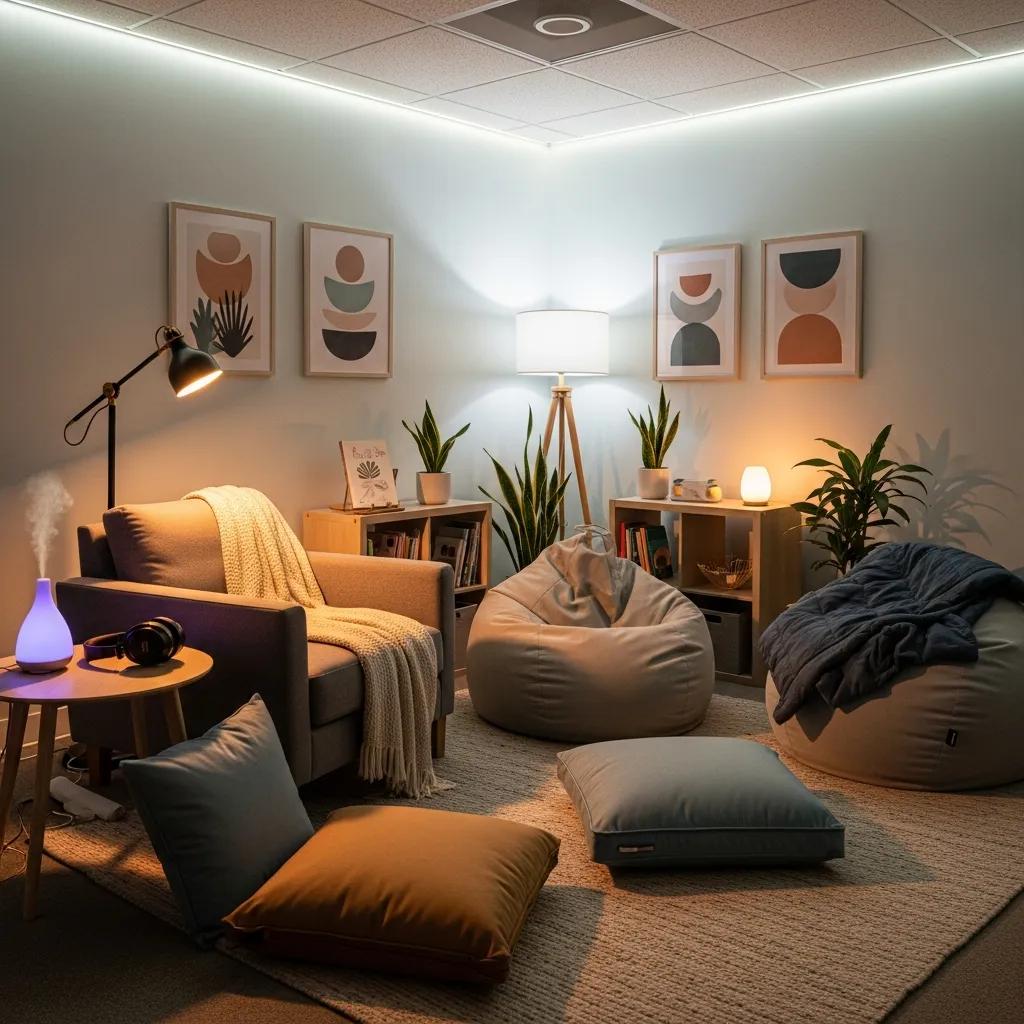
Personalized coping strategies are essential for effectively managing stress and anxiety related to sensory overload. Tailoring approaches to individual needs can enhance their effectiveness.
What coping mechanisms are tailored for different sensory processing profiles?
Coping mechanisms can be tailored to different sensory processing profiles, recognizing that individuals have unique sensitivities and preferences. For example, individuals who are sensitive to auditory stimuli may benefit from noise-canceling headphones, while those sensitive to visual stimuli might find comfort in dimly lit environments. Understanding these profiles allows for the development of personalized strategies that promote emotional regulation.
How to create an effective sensory-friendly environment for anxiety management?
Creating a sensory-friendly environment involves minimizing overwhelming stimuli and incorporating calming elements. Practical steps include using soft lighting, reducing noise levels, and incorporating soothing scents. Additionally, providing designated quiet spaces can offer individuals a retreat from overstimulating environments. These adjustments can significantly enhance anxiety management and overall well-being.